Transitional Living Program
Our Transitional Living Program serves young adults ages 18 up to 21.

-
City House’s Transitional Living Program (TLP) supports young adults ages 18 up to 21 who are experiencing homelessness as they work toward stability and independence. The program currently operates three homes in Collin County, providing a safe, structured environment where participants can focus on building their future. Participation is voluntary and guided by a thoughtful application process, with barrier-free access designed to meet young people where they are.
Over the course of the 18-month program, young adults receive consistent support as they pursue education or career goals, build financial stability, and develop essential life skills. Through individualized guidance and a focus on personal growth, TLP helps young people gain the confidence, tools, and independence needed to move forward successfully.
-
Our Transitional Living Program is for:
Young adults aging out of foster care, who may lose formal support systems and need guidance as they transition into independent living.
Young adults who have experienced abuse or neglect, offering stability, structure, and support as they heal and move forward.
Young adults coming from difficult or unstable circumstances, who are motivated to build a better future and benefit from consistent support, resources, and opportunity.
-
City House provides the following:
Case Management
Individualized support and goal-setting to help each young adult navigate challenges and stay on track toward self-sufficiency.Individual Counseling
One-on-one counseling focused on healing, emotional well-being, and personal growth.Job Training & Financial Skills
Support with employment readiness, budgeting, saving, and building healthy financial habits.Education Support
Assistance with tutoring, High School or GED completion, trade school pathways, college preparation, and access to scholarship opportunities.Essential Life Skills Development
Practical, assessment-based skills such as time management, healthy routines, communication, and independent living skills.
Gender
Who Does The Transitional Living Program Serve?
Ethnicity
All numbers from 2024 reports
Why We’re Needed
When Housing is Unstable, Education Suffers
Youth experiencing homelessness are more likely to be retained a grade or to drop out all togeher due to constantly moving, exhaustion, and stress due to their unstable and often unsafe environments.
Since 1988, 5,174 Transitional Living clients at City House completed the next step in their education.
Experiencing Homelessness is Dangerous
1 in 3 youth without housing will be propositioned for sex within 48 hours of being on the street. Victims of sexual exploitation and trafficking often develop critically low self-esteem, experience disproportionate rates of depression, anxiety, substance misuse, and suicidal thoughts.
Over 5,000 unaccompanied youth die each year as a result of assault, suicide, or illness.
Youth Experiencing Homelessness are often unseen
Many believe that homelessness among young people doesn’t exist because it’s not as overt as adult homelessness, however, this is far from the truth. Youth often couch surf, stay with friends, sleep in their cars, or bounce between shelters to avoid going home or going into foster care.
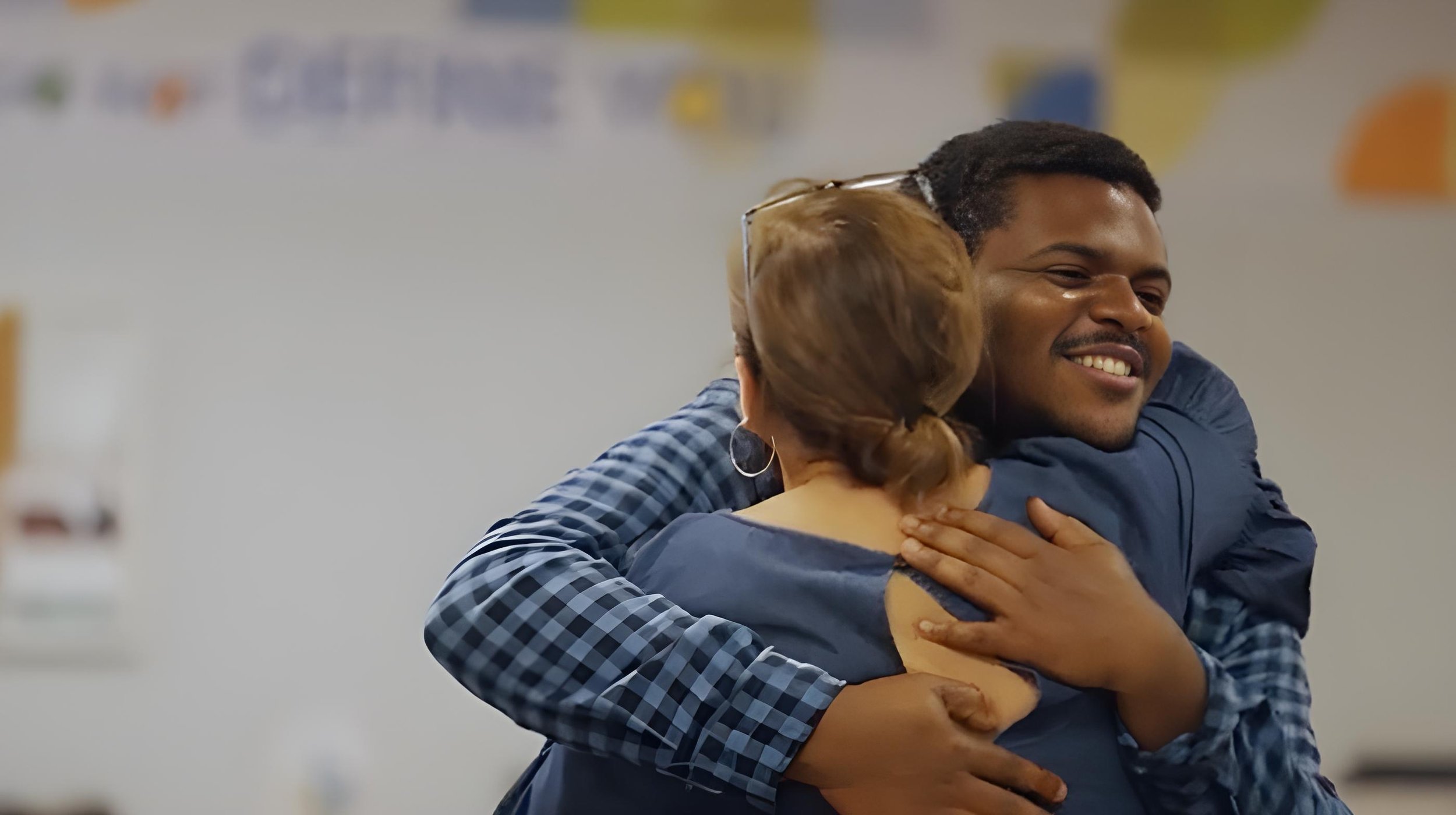
“Going to City House….I knew instantly, this is where I should’ve been from the start
— Jaylun, Transitional Living Client